‼️ The last generation of farmers ⁉️
Where else on Earth can you try your hand at beekeeping in the morning, lunch on fresh uni, then gather algae with a female-led harvesting collective as the sun sets over a legendary point break?
Time Magazine listed the Ruta de los Abastos as one of the World's Greatest Places in 2024.
The New York Times listed O'Higgins, Chile as one of the 52 Places to Go in 2024.
We were commissioned by the Ministry of Agriculture in Chile and the University of O'Higgins to address a pressing challenge facing the future of this fertile region's cuisine and culture: It was the last generation of farmers working in the field, harvesting the indigenous ingredients of this region, that made up an entire history of this region's culture and cuisine. Stakes were high.
Our Propreitary Methodology
Our tried and tested approach to unlocking the full potential of regional agrifood systems is based on three main pillars
Collaborative approaches between people from different backgrounds
A combination of online and on site activites
Combining Government, cultural, institutional and private sectors
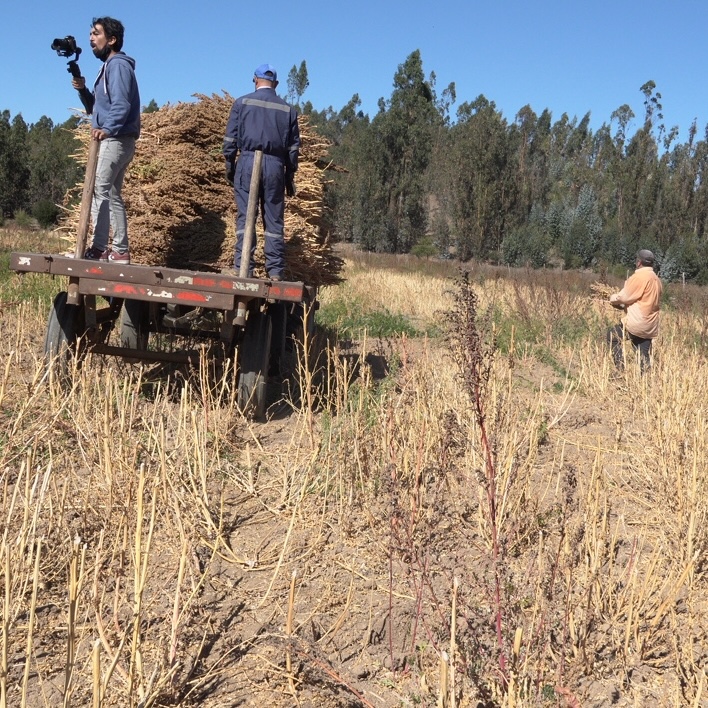
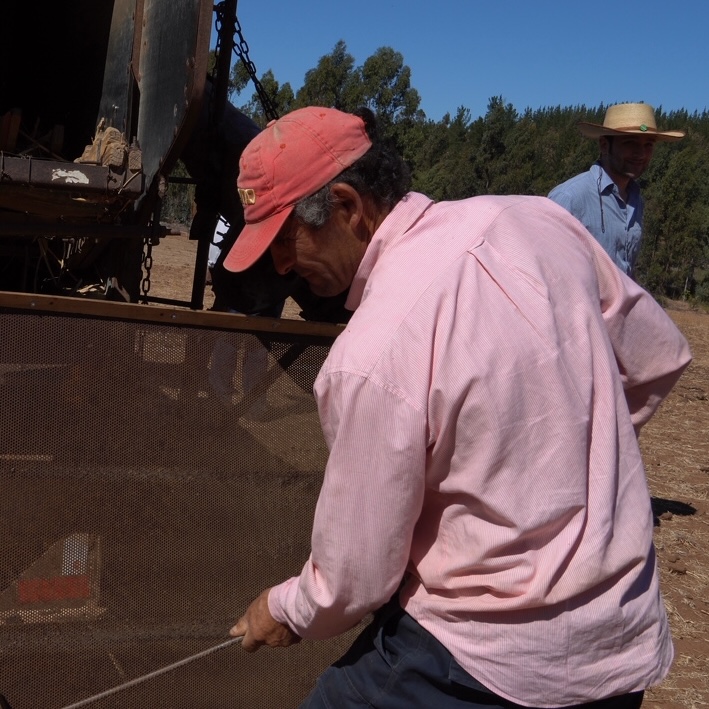
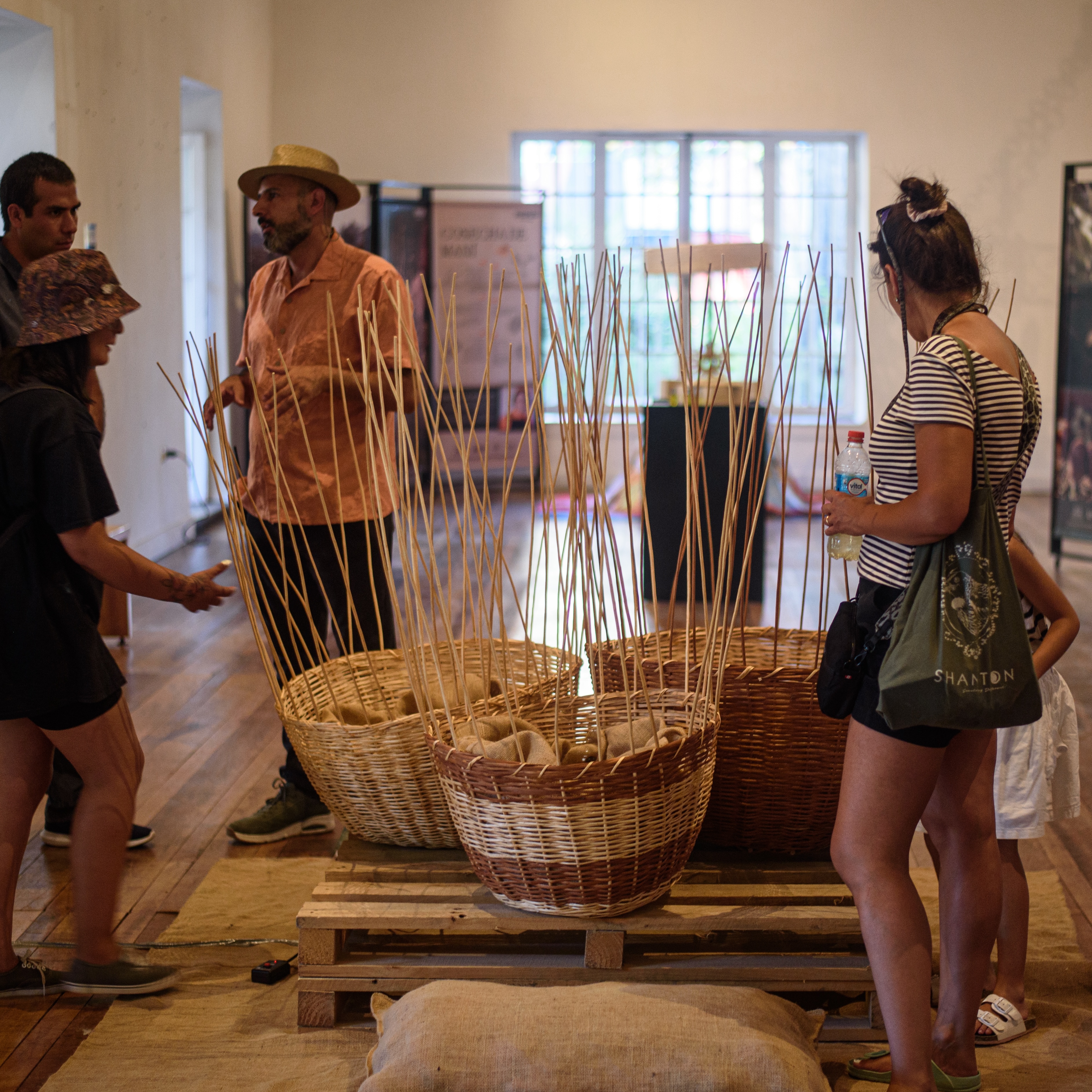
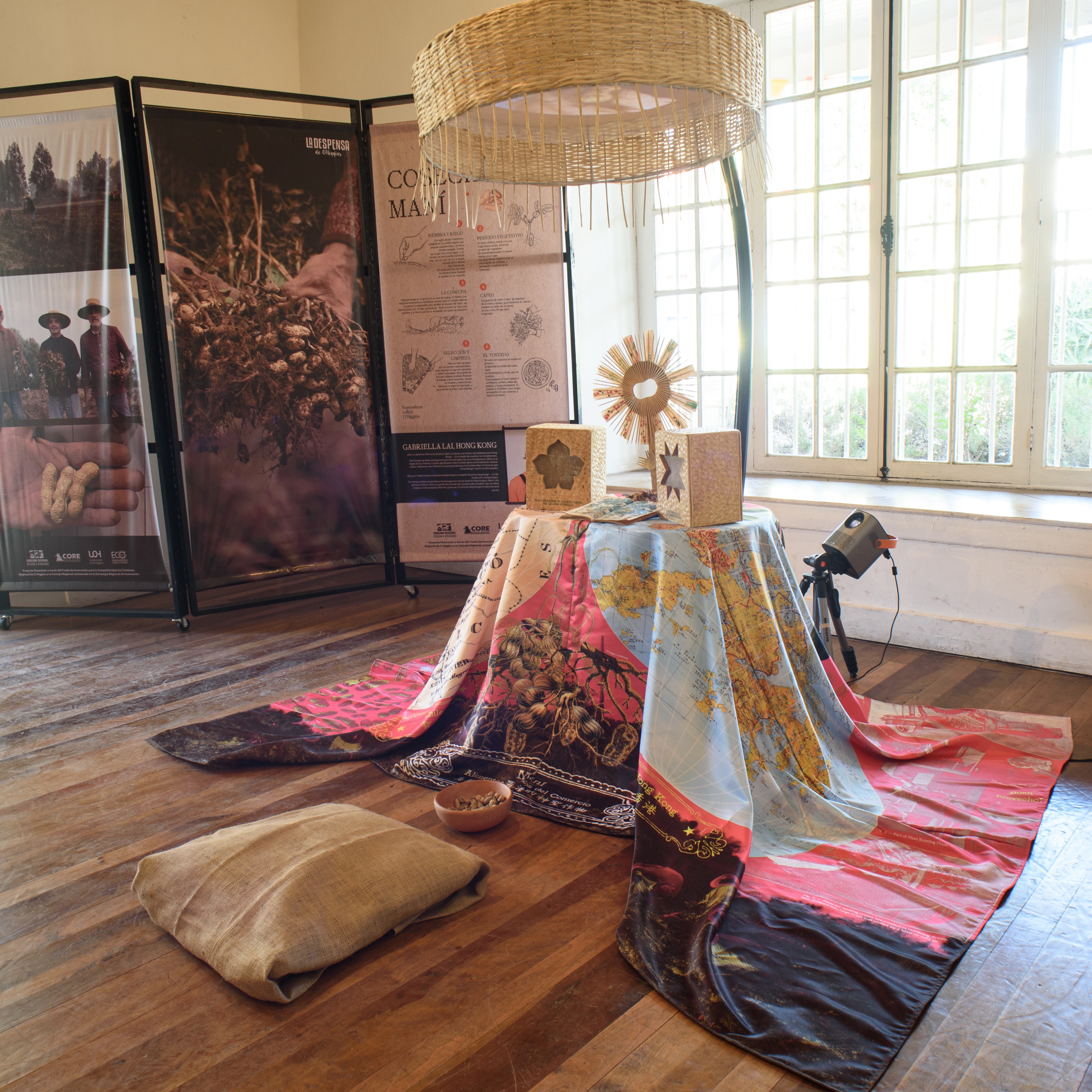
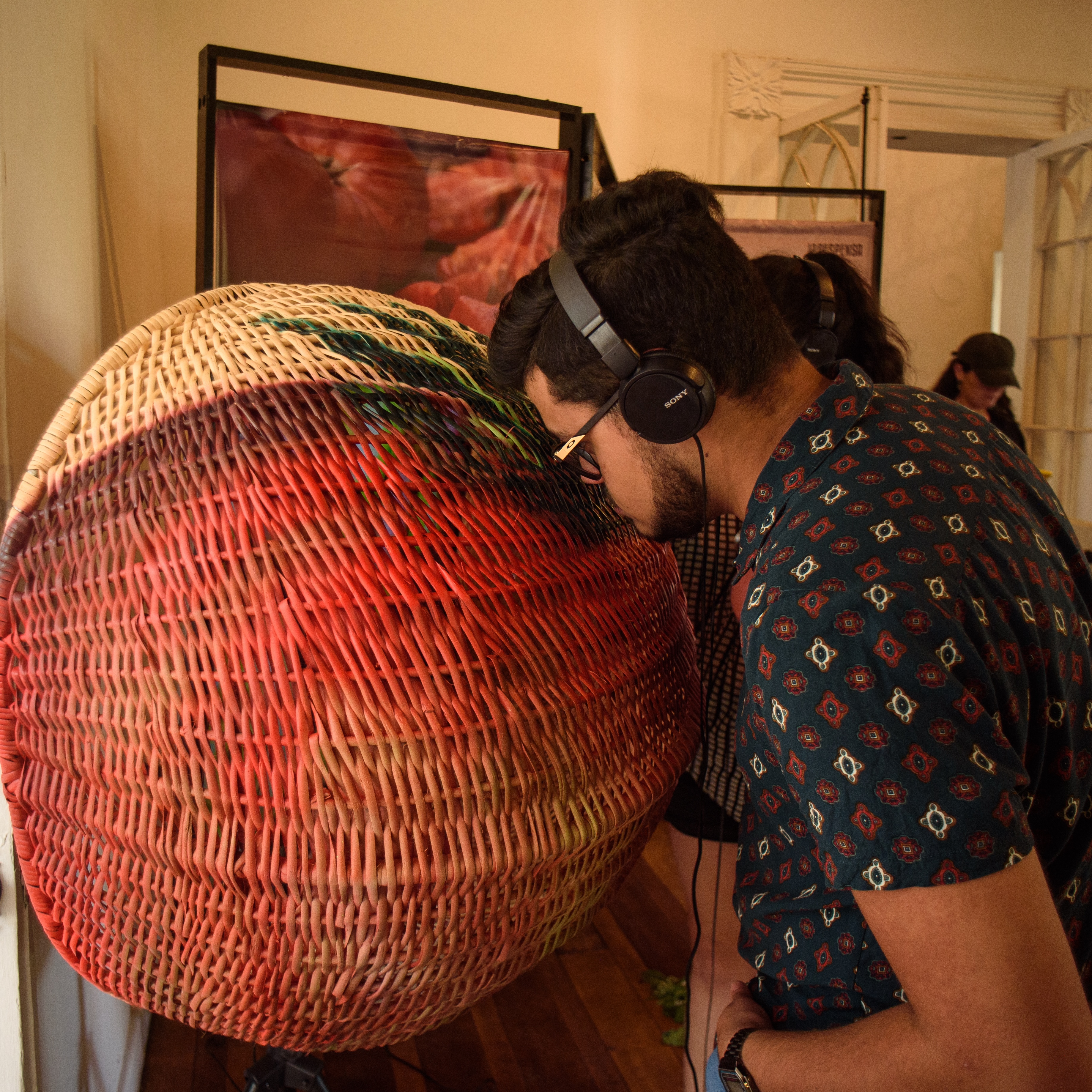
Our local teams capture audio, video and photographic documentation on site. We organise a program of interactive and educational sessions online to inform the participating 'artists in residence' of the local foodways. We facilitate connections between each international artist with local artisans to ensure traditional handicrafts feature in the produced installations. These make up our travelling exhibitions i.e. Gastronomic Interpretation Centers (CIGs). 9 installations, 3 iterations, 4 communes, and counting...
Four Phases
We focus on the following areas for documentation, analysis and intervention within our partner Agrifood Systems
Analyse region-specific challenges, identify unique opportunities. Choose ingredients. Identify local sites (farms), partners and stakeholders. Invite artists, creators, contributors. Establish local teams. Apply for grants, funding or sponsorships. Collect and file available research, news, publications, reports and other relevant information. Identify and invite experts/contributors. Plan calendar of activities. Identify local artisans. Identify suitable venues for showcasing.
Plan farm visits based on seasons. Capture photo, video and audio content of 4 focal pillars – landscape, people, process and product. Conduct interviews. Compile research from planning resources and translate raw footage into process diagrams (steps involved in processing each ingredient). Edit raw footage into documentary format.
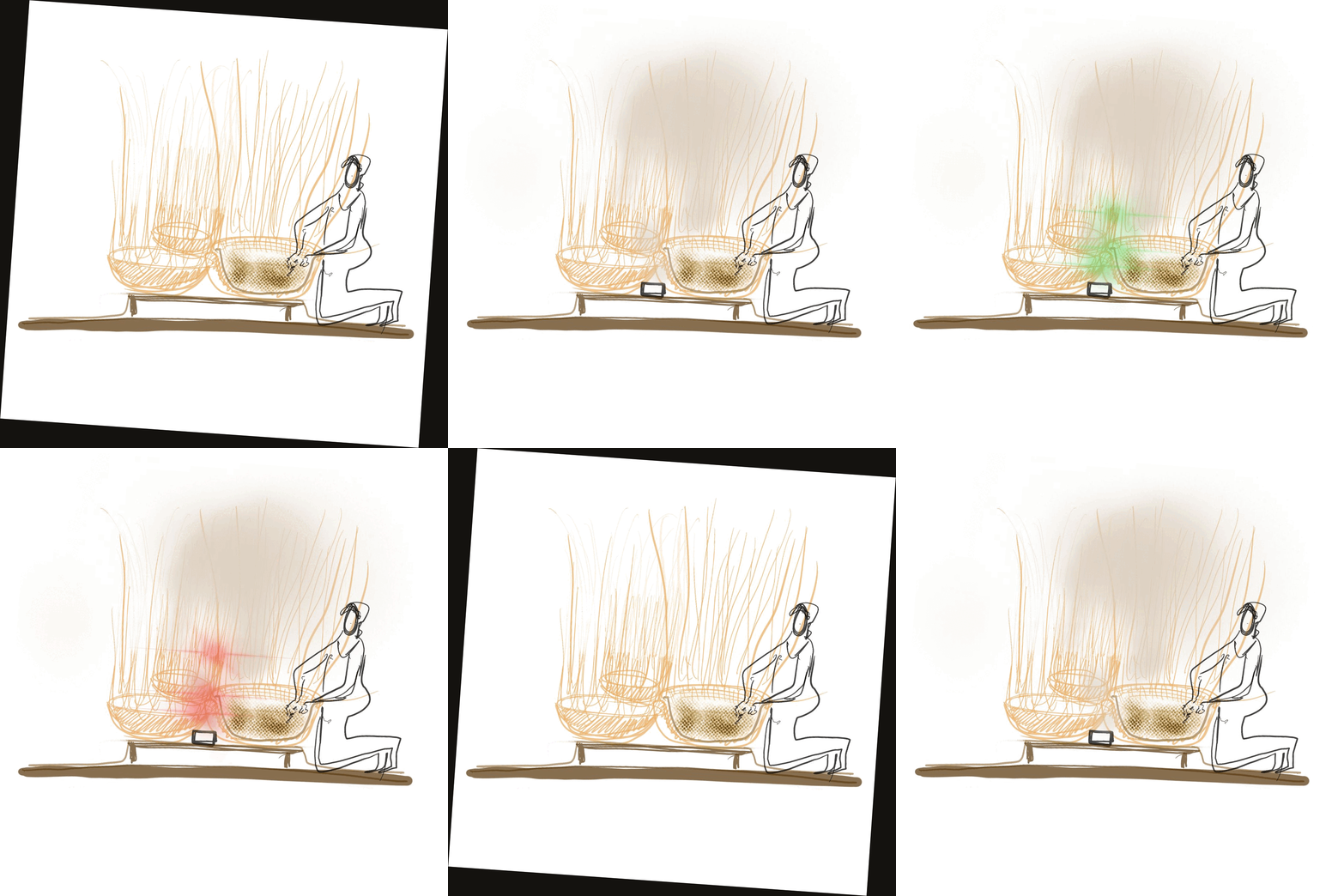
Launch artist residency program. Launch online e-learning modules. Conduct info sessions, panel discussions and skill building workshops. Check in with artists for concept progress. Collect working drawings, technical details and coordinate production with local artisans. Edit digital content into e-learning modules and publication material. Store, package and transport exhibits. Design exhibition materials. Plan launches.
Set up venues. Manage logistics. Hire and train staff. Run programming. Liaise with media. Distribute products. Repeat.
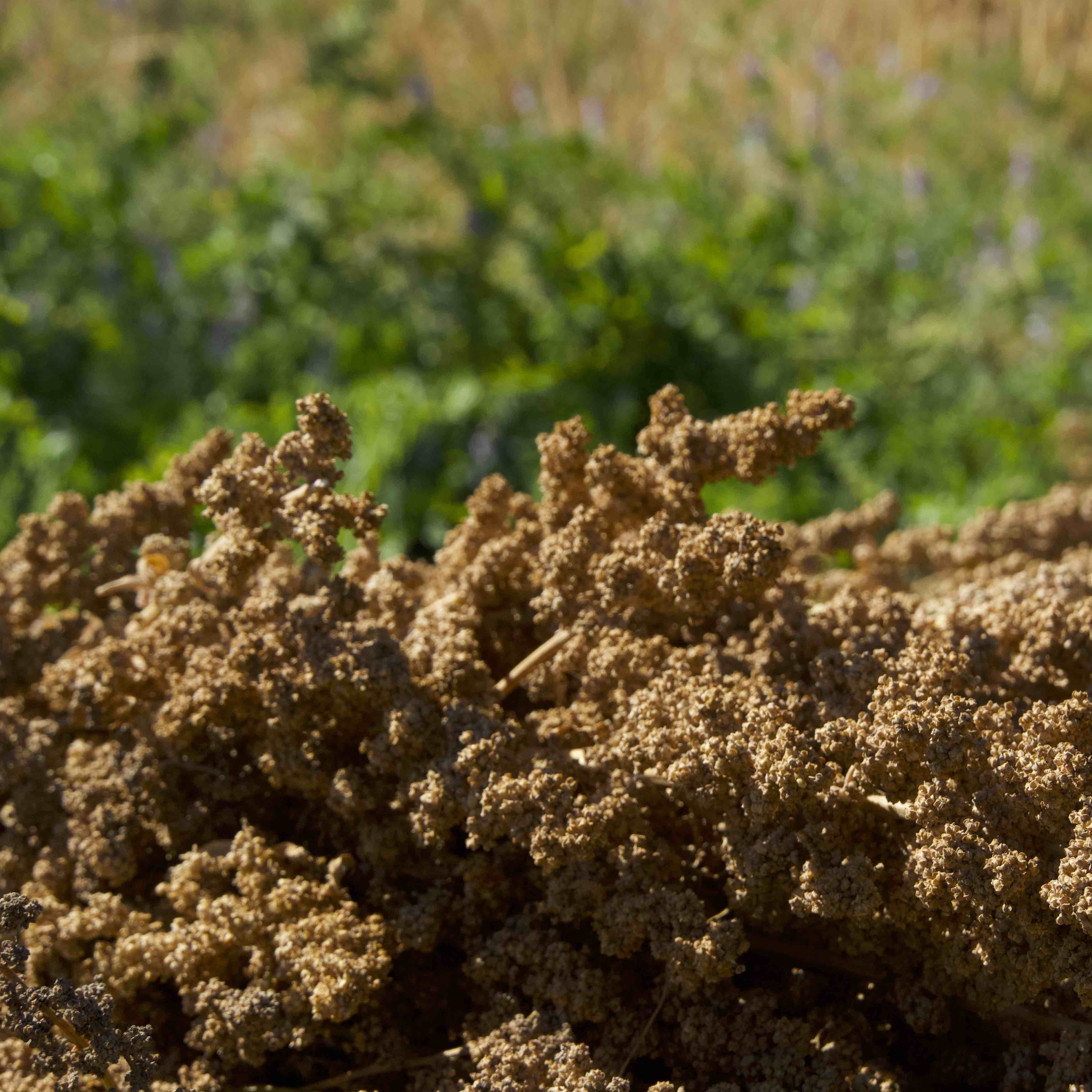
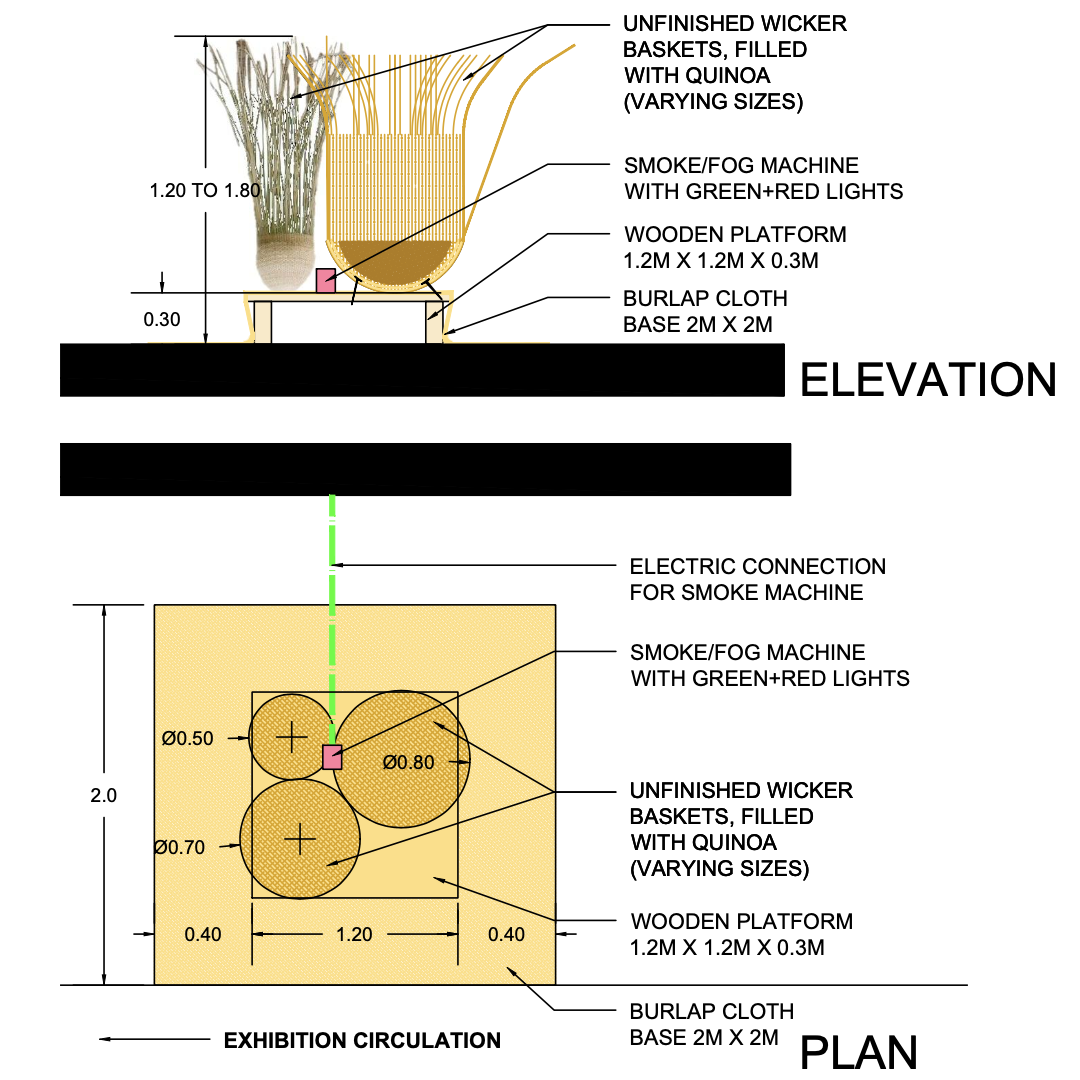
We leverage our network highly engaged international creatives to hand-pick multidisciplinary artists (artists in residence) from around the world to develop interactive and engaging installations. These exhibits tell the stories of the PEOPLE + PRODUCTS + LANDSCAPE + PROCESS involved in the production and harvesting of the pillars of the regional cuisine: quinoa, rengo tomatoes, salt, seaweed...each artists is allocated an ingredient.
Focal Areas
We focus on the following areas for documentation, analysis and intervention within our partner Agrifood Systems
The terroir, climate, flora, fauna, geography, soil, water and air that make up the unique conditions of the region
The stories of the farmers, artisans, indigenous communities that make the regional agrifood system unique
The tools, techniques, expertise and practices involved in production and processing and transportation
The ingredients, their packaging, communication and placement in local, regional, national and international contexts
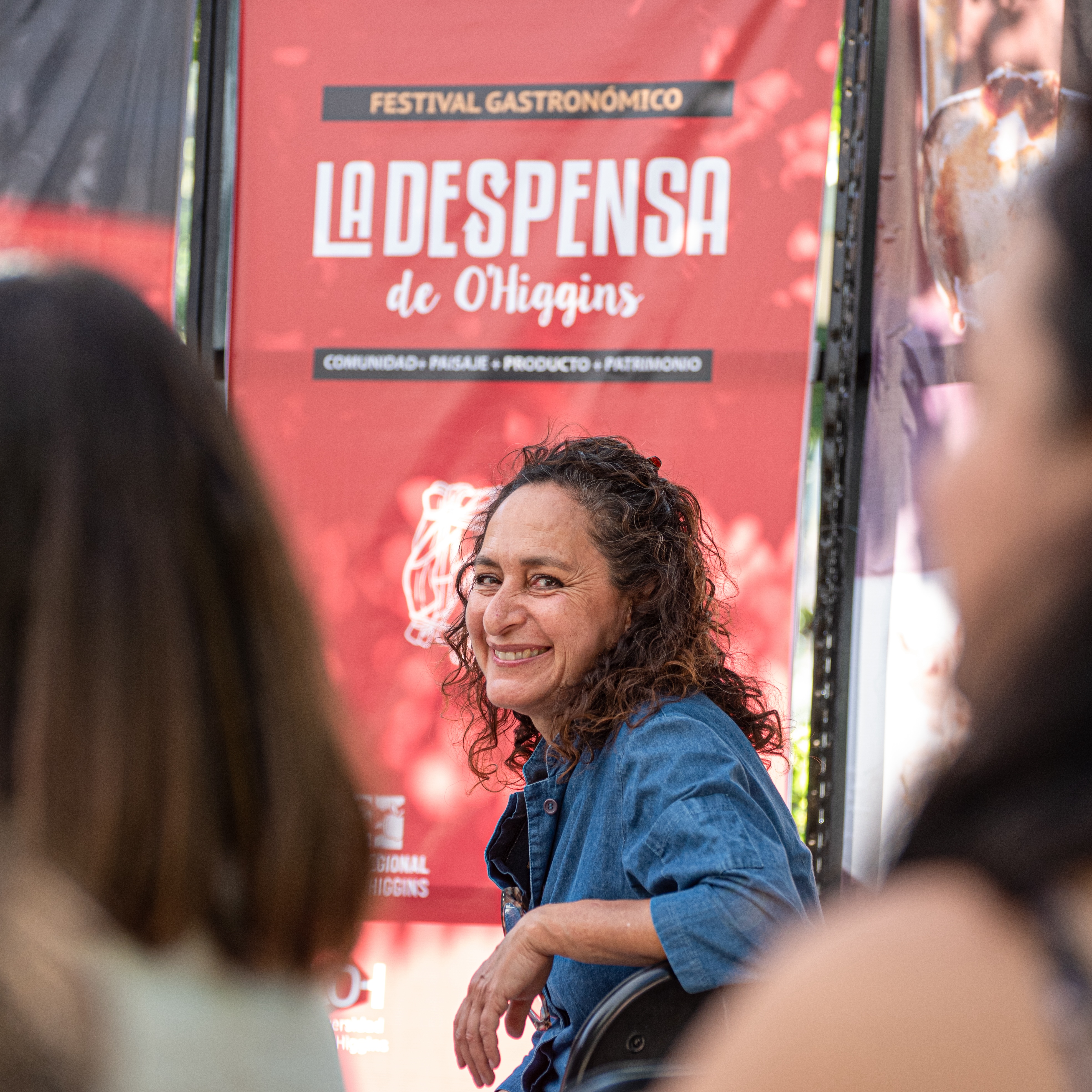
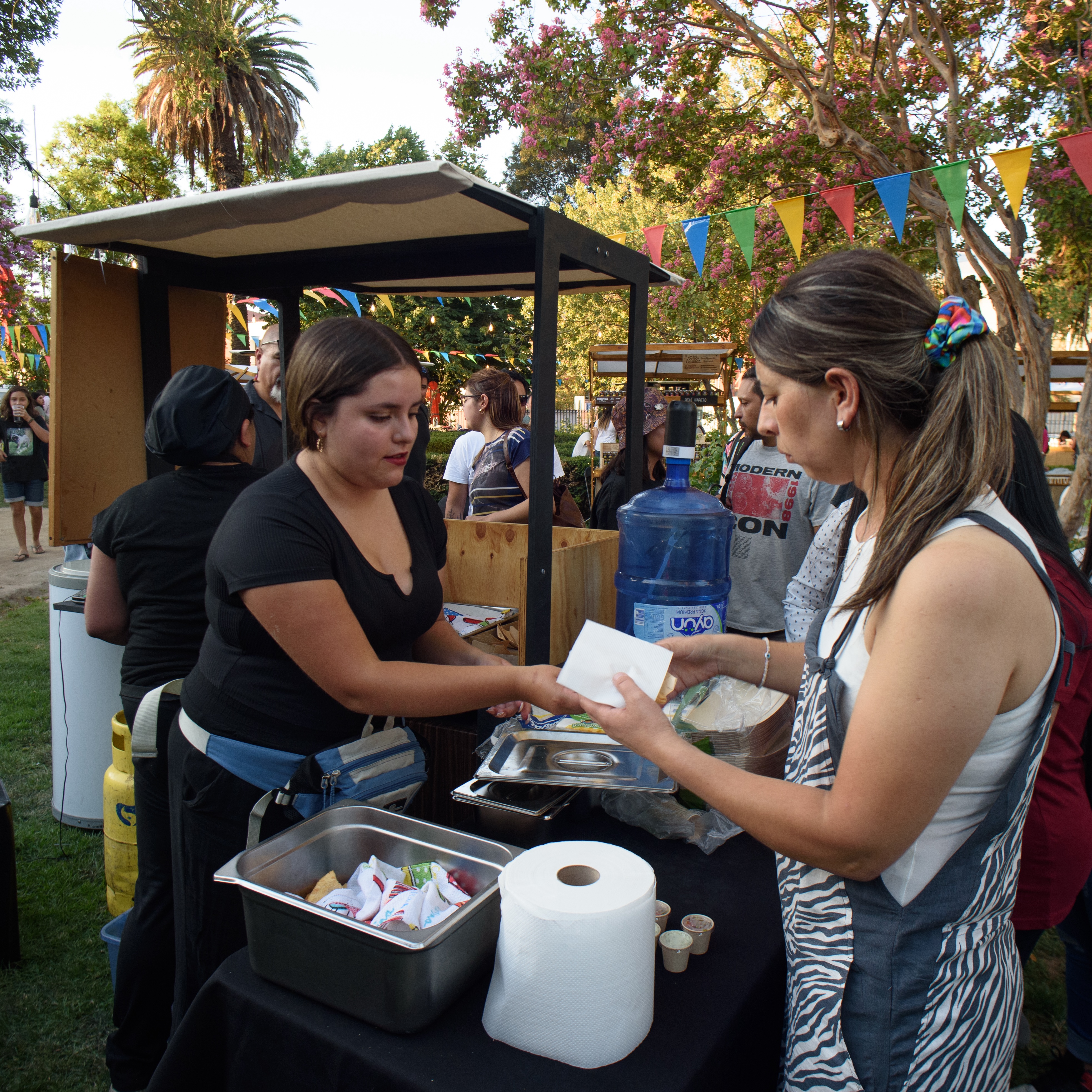
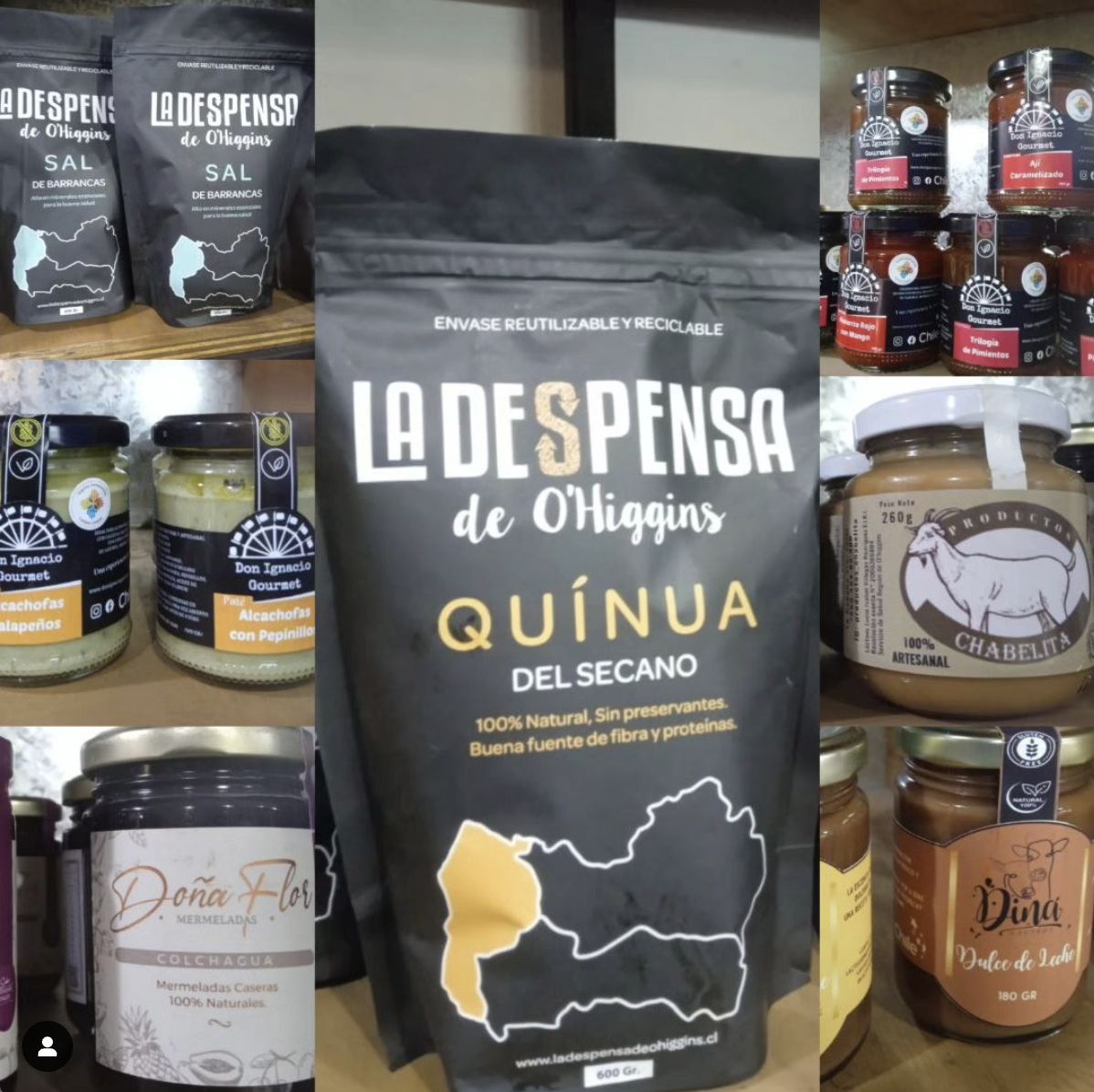
We also organise public programming including cooking demonstrations, tasting sessions, farmer's markets as well as talks and workshops as part of each iteration of the CIG. Our talented network of branding, packaging and communication experts help develop the O'Higgins Pantry, consisting of ready to export units of the above mentioned products and for e-commerce, thus boosting regional trade and benefitting the producers directly.
This success story is a testament to the efforts of our creative food design community, a big win for tour emerging discipline, tangibly showcasing the impact our work has on gastrotourism. We look forward to replicating this success story and working with other unique food regions around the world.